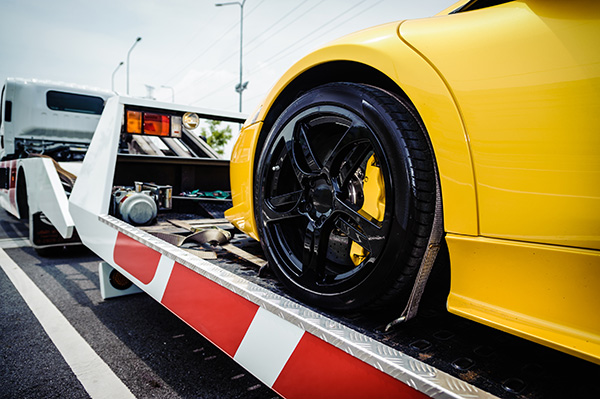
A lot of drivers try to “limp it home” when something goes wrong, then end up with a bigger repair than the original problem. Knowing when to stop driving and call a tow truck can be the difference between a simple fix and serious engine or brake damage. If you have even a little doubt, it helps to think in terms of safety first, convenience second.
1. Temperature Gauge in the Red or Steam from Under the Hood
If the temperature gauge spikes into the red, a red temp light comes on, or you see steam pouring from under the hood, it is time to pull over and shut the engine off. Overheating can warp cylinder heads, blow head gaskets, and damage sensors in just a few minutes. Driving “just a couple more miles” may be what turns a small coolant leak into major engine work.
Once you are safely stopped, turn the engine off and let it cool. Do not open the radiator cap while it is hot, and do not keep driving, hoping the gauge will come back down. This is one of the clearest situations where a tow is cheaper than the damage caused by pushing your luck.
2. Brake Pedal Goes Soft, to the Floor, or You Lose Stopping Power
Any major change in the way your brake pedal feels is a big red flag. If the pedal suddenly feels soft, sinks toward the floor, or you have to press much harder than usual to stop, the hydraulic system may be leaking or boiling the fluid. Grinding, metal-on-metal noises can mean pads are completely worn out, which also increases stopping distance.
We have seen drivers try to get home by downshifting or using the parking brake when the main brakes are weak. That is risky for you and everyone around you. If the car is not stopping like it did yesterday, especially if a brake warning light is on, make the call for a tow.
3. Sudden Loss of Power, Stalling, or Harsh Misfires
If the engine starts bucking, misfiring badly, or losing power so much that you cannot keep up with traffic, you are safer on the side of the road than in the flow. A flashing check engine light, heavy shaking, or repeated stalling all suggest a problem serious enough to damage the catalytic converter or leave you stranded in an intersection.
Sometimes the truck or car will restart and run “okay” for a minute, then act up again. That back-and-forth tempts people to keep trying. When our technicians hear that story, we usually recommend a tow rather than repeated attempts that could cause more damage or leave you stuck in a worse spot.
4. Transmission Slipping, Refusing to Shift, or Stuck in One Gear
Transmission trouble rarely fixes itself on the way home. If the vehicle suddenly revs high without moving much, bangs into gear, or refuses to shift out of first or second, you are in transmission-limp mode territory. Continuing to drive when the fluid is low, burnt, or full of debris can cook clutches and turn a minor issue into a full rebuild.
A good decision rule is simple: if the transmission is doing something it has never done before and it feels harsh or unsafe, pull over. Calling a tow before the unit destroys itself often gives you more repair options and a better chance of avoiding the most expensive outcome.
5. Steering Feels Loose, Heavy, or You Hear Loud Knocks Up Front
Steering problems can go from annoying to dangerous quickly. If the steering wheel suddenly gets very heavy, you may have lost power steering fluid or a belt. If it feels loose or you hear loud clunks when you turn, there could be a failing tie rod, ball joint, or other front-end part.
Here are steering and suspension symptoms that should have you thinking about a tow instead of a test drive home:
- The steering wheel must be held at a big angle to go straight
- Loud pops or bangs when turning into driveways or parking lots
- The front of the car feels like it is shifting sideways over bumps
- A tire that looks visibly tilted or pushed back in the wheel well
We have seen parts completely separate after a few more miles of driving when the warning signs were already there.
6. Flat, Shredded, or Severely Damaged Tire with No Safe Place to Change It
A simple flat in a safe parking lot is one thing. A shredded tire on a narrow shoulder with fast traffic is another. If the tire is destroyed, the wheel is damaged, or you do not have a good spare, creeping along on the rim can ruin suspension components and the wheel itself.
If you are in a spot where changing the tire would put you dangerously close to traffic, a tow or professional roadside service is the smarter option. We would much rather meet your car on a flatbed than see someone injured trying to wrestle a jack on the edge of a busy road.
7. Any Time You Feel Unsafe or Unsure About Driving Further
Not every situation comes with a clear warning light. Maybe you hear a loud new knock from the engine, smell strong fuel, notice thick smoke, or feel the vehicle behaving in a way that genuinely scares you. If your gut says, “I should not be driving this,” it is worth listening.
Owner mistakes we see over and over include:
- Driving long distances with a known major issue, “because it’s still moving”
- Ignoring burning smells or thick smoke until the car actually quits
- Trying to make it to a favorite shop across town instead of using a tow now
If you are on the fence, remember that a tow is a one-time cost. A damaged engine, transmission, or brake system is not.
Get Towing Help in Newport News, VA with B & L Automotive
If your car will not start, feels unsafe, or shows any of these warning signs, getting it off the road and into a bay is the safest move. We can arrange towing, inspect what went wrong, and give you a clear plan to get back on the road without guessing.
Schedule towing and breakdown assistance in Newport News, VA, with B & L Automotive, and we will help you handle the emergency the right way from the first call.