Posted on 8/28/2026
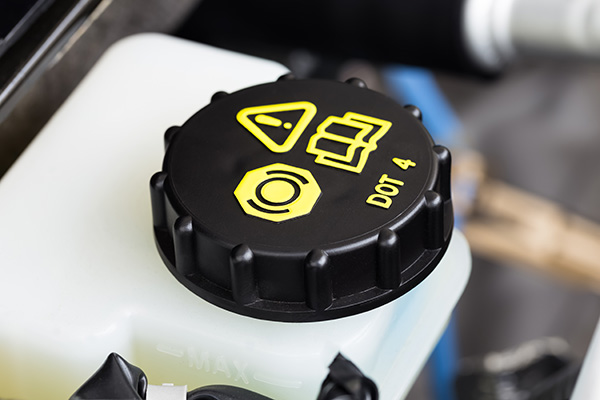
Brake fluid works quietly inside the hydraulic brake system, so it is easy to forget about until something changes. The pedal can still feel firm, and the car can stop normally even when the fluid has absorbed moisture or collected contamination. Age alone does not tell the whole story. Fluid condition, driving habits, previous brake repairs, and service history all help determine whether a brake fluid flush is due. Knowing the signs can help you deal with worn fluid before it starts affecting more expensive brake components. Dark or Cloudy Brake Fluid Deserves Attention Fresh brake fluid is generally clear to light amber, depending on the type. Over time, heat, moisture, corrosion, and material from seals and internal brake parts can darken the fluid. Fluid that looks very dark, cloudy, or dirty should be checked more closely. Color alone should not decide whether the system needs a flush. Some brake fluid darkens while still performing within an accep ... read more
Posted on 7/31/2026
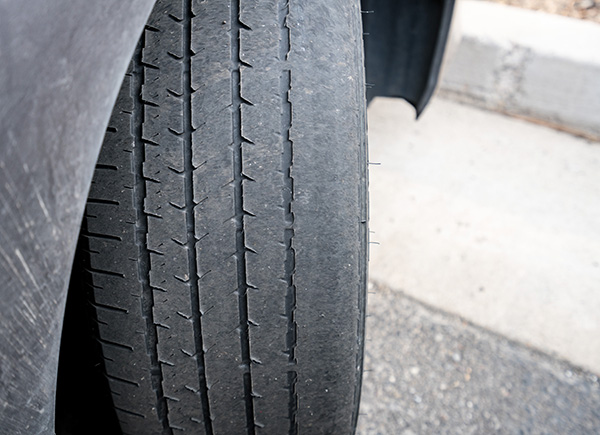
Tire problems do not always announce themselves with a flat, a blowout, or a warning light. Sometimes they show up more quietly. At our shop, one of the things we look for during inspections is dry rot, because it is one of those tire issues that many drivers do not notice until the damage is already getting serious. A tire can still have decent tread and still be unsafe if the rubber itself is aging badly. That is what makes dry rot so tricky. People often look at tread depth and assume the tire must still be fine. But tires are made of more than tread. The rubber compound, the sidewalls, and the overall structure all matter too. Once the rubber starts drying out and cracking, the tire is telling you that age and exposure are starting to win. The good news is that dry rot usually gives visible clues if you know what to look for. The better news is that catching it early can help you replace a bad tire before it turns into a roadside problem. What Tire Dry Rot Ac ... read more
Posted on 6/26/2026

For decades, there was one absolute, golden rule of car ownership that every driver knew by heart: change your oil every three thousand miles or three months, whichever came first. It was drilled into us by our parents, broadcasted in television commercials, and reinforced by that little clear reminder sticker stuck to the top left corner of your windshield. It felt like a law written in stone. At our auto repair shop, we see a lot of drivers who still treat this rule as gospel. They pull into our service bays right on the dot, worried that their engine is on the verge of ruin if they hit three thousand and one miles. While we love proactive vehicle care, we always like to give our customers the honest, up-to-date truth. The reality is that the three-thousand-mile oil change rule is vastly outdated for most modern vehicles on the road today. Sticking blindly to it might just mean you are throwing perfectly good money down the drain. Let us look at why things have changed, what determ ... read more
Posted on 5/29/2026

The same car can be quiet on Monday and make a new noise by Friday. That is what makes auto repair questions so frustrating. Drivers are not always dealing with a dead vehicle. They are dealing with a car that still moves, but suddenly feels a little less trustworthy. That middle stage is where good answers help. Here are the auto repair questions drivers ask most often, along with practical answers that can help you decide what needs attention now and what can be planned. 1. Why Is My Check Engine Light On? The check engine light can come from many systems. Misfires, oxygen sensor issues, EVAP leaks, fuel mixture problems, catalytic converter concerns, thermostat issues, and sensor faults can all trigger it. A steady light usually means the vehicle needs diagnostics soon. A flashing check engine light is more urgent because it often points to an active misfire. If the light is flashing and the engine is shaking, avoid normal driving and schedule servi ... read more
Posted on 4/30/2026
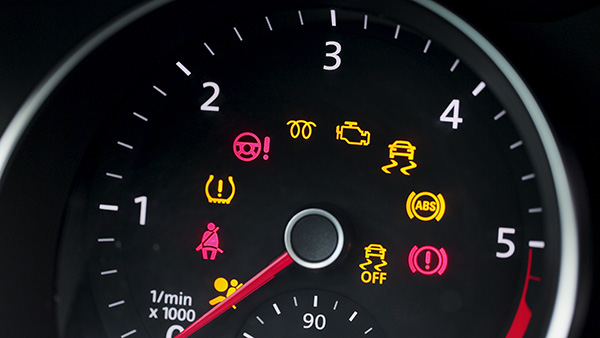
Dashboard warning lights have a way of showing up at the worst possible time. One moment, everything feels normal, and the next, you are staring at a symbol you may not recognize. Some lights go out quickly, while others stay on, raising concern about what might be wrong. These lights are not random. Each one is tied to a system in your vehicle, and knowing what they mean helps you decide how quickly you need to act. Not All Warning Lights Mean the Same Thing Some dashboard lights are informational, while others signal a problem that needs attention. A light like the seatbelt reminder is straightforward. Others, like the check engine light, can mean anything from a minor issue to something more serious. Color is often a helpful clue. Yellow or orange lights usually indicate caution and should be checked soon. Red lights signal a more urgent issue that may require stopping the vehicle as soon as it is safe to do so. The Check Engine ... read more
Posted on 3/27/2026

An engine that runs rough for the first few minutes of a drive is doing more than acting a little temperamental. The shake, stumble, hesitation, or uneven sound usually means the engine is struggling during the part of the operation where everything has to be adjusted most carefully. Once it warms up, the problem fades enough that many drivers push it aside. That rough warm-up phase is usually the warning stage. Why Cold Operation Exposes Weakness Fast An engine does not run the same way cold as it does at full operating temperature. Fuel delivery and idle speed change, sensor inputs matter more, and the computer has to make rapid corrections until the engine settles into a normal pattern. When one part of that process is off, rough running shows up right away. That is why the symptom disappears later in the drive. Heat makes combustion easier, airflow steadier, and fuel vaporization better. The engine starts covering up the weakness once conditions imp ... read more
Posted on 2/27/2026

Car care advice gets passed around like old family recipes. Some of it is solid, and some of it is outdated, incomplete, or flat-out wrong for modern vehicles. The frustrating part is that these myths usually do not cause trouble right away, so it feels like they are working until the bill shows up. If you want fewer surprises, the best move is to separate what is convenient from what is true. A quick inspection now and then, plus a realistic service plan for how you drive, goes a long way toward avoiding the expensive mistakes below. Most costly breakdowns start as a small issue that keeps getting pushed off. 1. Oil Changes Are Only About Mileage Mileage matters, but time and driving conditions matter too. Short trips, lots of idling, heavy traffic, and extreme heat break oil down faster, even if you did not rack up many miles. Following a regular maintenance schedule that fits your real driving is usually cheaper than trying to stretch intervals to the ... read more
Posted on 1/30/2026
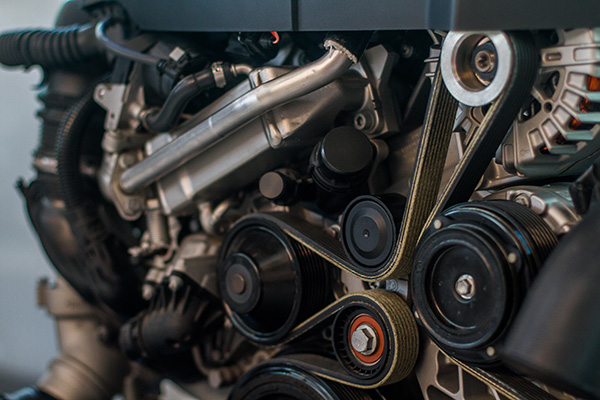
A squeak or chirp from under the hood has a way of grabbing your attention fast. It might only happen for a few seconds after startup, or it might show up when you turn on the AC. Either way, once you hear it, you start listening for it on every drive. Serpentine belt noise usually is not random. It tends to follow a predictable aging process, and it often involves more than just the belt itself. The belt, pulleys, and tensioner all work together, so when one starts wearing, the whole system can get louder. What The Serpentine Belt System Does Every Time You Drive The serpentine belt is a single belt that drives multiple accessories, such as the alternator, power steering pump on some vehicles, and the AC compressor. It loops around several pulleys, and the tensioner keeps the belt at the correct tightness so it grips without slipping. Because the belt is constantly moving and bending, it wears with time and heat cycles. The pulleys and tensioner also wear because ... read more