A few reddish or amber drops under the front of the car may not look urgent, especially if steering still feels normal. A hydraulic rack depends on fluid pressure for steering assistance. As a leak grows, turning the wheel gets much harder. Continuing to drive also risks damaging the pump and other components. An inspection helps identify the source before a small seal problem becomes a roadside steering concern.
Confirm Your Car Uses Hydraulic Steering
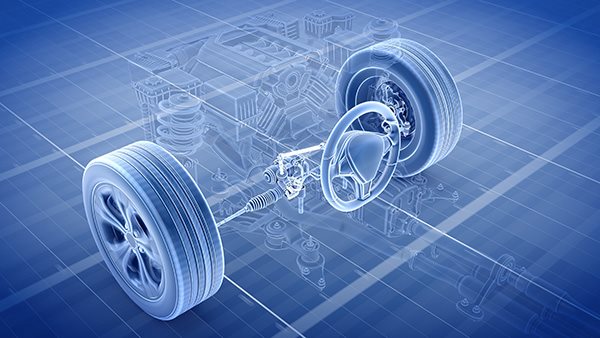
Traditional hydraulic power steering systems use a pump, pressurized fluid, hoses, and a steering rack or gearbox to reduce steering effort. Some vehicles use electro-hydraulic pumps, while many newer cars have electric power steering and no hydraulic rack fluid at all. Fluid beneath the front suspension doesn't necessarily come from the steering rack. Engine and transmission leaks leave nearby spots too.
We identify the steering design and trace the actual leak before recommending a rack replacement. A leaking hose connection or pump seal can drip onto the rack and make it look defective. Checking the fluid level (where the system has a reservoir), hose routing, and the pattern of leakage helps narrow the inspection. Replacing a healthy steering rack won't fix an external leak.
A Leaking Rack Can Gradually Reduce Steering Assistance
The rack uses hydraulic pressure to help move the steering mechanism as you turn the wheel. Internal seals keep fluid in the correct chambers, while external seals prevent it from escaping. Worn rack seals sometimes let fluid escape into the protective boots or around the rack ends. You sometimes notice the reservoir level falling before the steering effort changes.
When enough fluid escapes, the pump draws in air and struggles to maintain hydraulic pressure. Steering can become heavier, especially during parking maneuvers. Wet rack boots, leaking lines, and damaged mounting areas reveal where fluid is escaping. You can't judge the severity from a spot on the driveway alone.
A torn boot isn't automatically proof of a hydraulic leak, but fluid collecting inside the boot is a significant clue when the vehicle uses a hydraulic rack.
Low Fluid Can Damage the Power Steering Pump
Hydraulic pumps depend on the specified fluid for lubrication and proper operation. Running a system with low fluid allows air to enter, causing whining, foaming, and inconsistent assist. Continued operation can damage the pump's internal components and contaminate the system. Adding fluid sometimes restores assistance briefly, but it won't repair a failed seal or hose.
A pump that becomes noisy after the fluid level drops needs testing, not just leak repair. We check the system condition and look for signs of contamination or damage. The correct fluid specification is important because not every vehicle uses the same power steering fluid. An unknown additive or stop-leak product can introduce new problems and doesn't replace proper maintenance.
Leaking Fluid Creates Other Hazards
Power steering fluid on a hot engine or exhaust parts can create smoke and, under certain conditions, a fire risk. Leaks also contaminate nearby rubber parts and leave slippery spots where you park. A worsening leak needs prompt service, especially if fluid is dripping while the engine runs. The amount of visible residue doesn't always indicate how quickly the reservoir is losing fluid.
Nearby hoses, belts, and protective covers need inspection because steering fluid can contaminate them as the leak spreads. If the steering suddenly becomes very heavy, warning lights appear, or the vehicle can't be controlled confidently, stop safely and arrange assistance. Hydraulic assistance isn't the same as a mechanical steering connection, but losing it can greatly increase the force needed at the wheel, especially at low speeds.
Steering Rack Wear May Cause More Than a Leak
Internal rack wear or damaged mounts also cause looseness, binding, and unusual noises. Those symptoms overlap with worn tie rods, ball joints, and suspension bushings. A clunk during turning isn't enough to conclude that the rack itself has failed. The complete steering linkage needs inspection before the repair scope is decided.
Does the steering feel uneven from left to right, or does the car wander on a straight road? Excess movement and alignment readings help distinguish a worn rack from looseness in nearby steering and suspension parts.
Fixing a leak won't automatically correct a loose tie rod, and replacing the rack may not be necessary if the leak comes from a hose fitting. A focused repair addresses each confirmed fault without adding unrelated parts.
Warning Signs to Report Before the Leak Gets Worse
You often notice steering changes gradually as hydraulic fluid is lost. A new whine during turns, a wet steering boot, or repeated need to top off the reservoir are reasons to arrange service. Avoid trying to reproduce severe steering symptoms in heavy traffic. The fluid level and the ease of turning can change quickly if a seal deteriorates further.
Report these changes:
- Fresh fluid beneath the front of the vehicle
- A reservoir level that keeps dropping
- Whining when turning at parking speed
- Steering effort that changes unexpectedly
- Wet rack boots or fluid-covered hoses
- New clunks or looseness through the steering wheel
The timing of the leak and changes in steering feel guide both fluid-leak testing and mechanical checks. Good maintenance includes monitoring fluid loss, but persistent refilling is a warning, not a long-term solution.
What a Complete Repair Should Include
The leak location determines the repair, which may involve a hose, seal, pump, or complete rack assembly. Some racks are serviced as complete units, while other vehicles have approved component procedures. The replacement must match the steering system, and certain designs require alignment or electronic calibration after the work. Before the repair begins, you need to know if the vehicle requires additional alignment or steering-system procedures afterward.
After repair, the system needs the correct fluid, air removal when required, and checks for leaks and normal steering assist. A road test verifies operation under safe conditions. Early inspection helps prevent pump damage and lowers the risk of steering trouble turning into a roadside breakdown.
Get Power Steering Rack Leak Inspection in Newport News, VA, With B & L Automotive
B & L Automotive in Newport News, VA, checks hydraulic steering leaks, worn racks, pumps, and steering linkage problems. You'll know where the fluid is escaping and what the repair requires.
Call B & L Automotive or schedule a power steering inspection online.