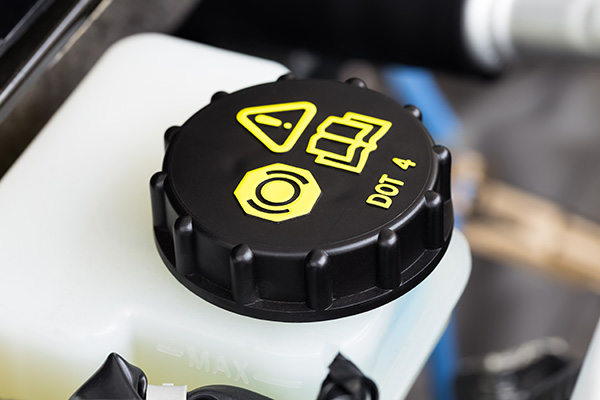
Brake fluid works quietly inside the hydraulic brake system, so it is easy to forget about until something changes. The pedal can still feel firm, and the car can stop normally even when the fluid has absorbed moisture or collected contamination.
Age alone does not tell the whole story. Fluid condition, driving habits, previous brake repairs, and service history all help determine whether a brake fluid flush is due. Knowing the signs can help you deal with worn fluid before it starts affecting more expensive brake components.
Dark or Cloudy Brake Fluid Deserves Attention
Fresh brake fluid is generally clear to light amber, depending on the type. Over time, heat, moisture, corrosion, and material from seals and internal brake parts can darken the fluid. Fluid that looks very dark, cloudy, or dirty should be checked more closely.
Color alone should not decide whether the system needs a flush. Some brake fluid darkens while still performing within an acceptable range, while fluid that looks fairly clean can contain too much moisture. A visual check is useful, but it should be combined with service history and testing.
Moisture Is One of the Main Problems
Most common automotive brake fluids absorb moisture over time. Small amounts can enter through seals, hoses, reservoir venting, and normal service exposure. The process is slow enough that most drivers never notice it happening.
As water content rises, the fluid loses some of its heat resistance. Repeated stops, heavy traffic, towing, mountain driving, or hard braking can quickly raise brake temperatures. Moisture-heavy fluid can reach its boiling point sooner, allowing vapor to form in the hydraulic system and affecting how firmly pressure reaches the brakes.
Pay Attention to Changes in Pedal Feel
A soft, spongy, or longer brake pedal can point toward a hydraulic problem. Contaminated fluid is one possible cause, especially if the pedal changes after repeated braking or when the brakes become hot.
Do not assume old fluid is responsible for every pedal change. Air in the system, a leak, a worn master cylinder, damaged hoses, or other brake problems can create similar symptoms. If the red brake warning light appears on the dashboard or the pedal suddenly feels different, the brake system needs prompt inspection, not just a fluid change.
Contamination Can Damage Expensive Brake Parts
Brake fluid travels through the master cylinder, brake lines, hoses, calipers, wheel cylinders on equipped vehicles, and the ABS hydraulic unit. Those parts contain seals, valves, and narrow passages that depend on clean fluid.
Moisture can encourage corrosion, while debris from aging components can circulate through the system. Incorrect fluid is even more concerning. Oil, power steering fluid, or another petroleum-based product can damage rubber components in a system designed for DOT brake fluid and can lead to repairs far beyond a routine flush.
Testing Gives a Better Picture Than Appearance Alone
A technician can evaluate brake fluid condition instead of relying only on what it looks like in the reservoir. Moisture testing, service records, fluid condition, pedal feel, and the overall state of the braking system help show whether replacement is appropriate.
The surrounding components should be checked at the same time. Low fluid could be related to pad wear or a leak, while dark fluid can exist alongside sticking calipers or worn hydraulic parts. Regular maintenance gives you a chance to catch those problems while the brake system is still behaving normally.
What a Brake Fluid Flush Actually Does
A brake fluid flush removes old fluid from the hydraulic system and replaces it with fresh fluid that meets the vehicle manufacturer's specification. The system is bled so fresh fluid reaches the lines and brake components instead of simply mixing with what is already there. Some vehicles also require specific procedures to move fluid through the ABS hydraulic unit.
Topping off the reservoir does not accomplish the same job. The reservoir contains only part of the system's fluid, so contaminated fluid can remain in the lines, calipers, master cylinder, and ABS components. A proper flush replaces the fluid throughout the system and gives the hydraulic parts cleaner protection against heat, moisture, and corrosion.
Get Brake Fluid Flush Service In Newport News, VA, With B & L Automotive
If your brake fluid is dark, contaminated, overdue for service, or you are unsure when it was last replaced, B & L Automotive in Newport News, VA, can check the fluid and the rest of the braking system.
Schedule a brake fluid flush when it is due and keep the hydraulic side of your brakes properly protected.